Everything You Need to Know
Top Tips for Visiting Edinburgh
The weather always wins.
It is very common in Scotland to experience all four seasons in a single day. Wear layers. Pack a waterproof coat or jacket. Wear comfortable shoes. Embrace the dreich.
“There’s no such thing as bad weather, only unsuitable clothing.”
Alfred Wainwright
Edinburgh is built on a volcano (extinct).
The city’s dramatic landscape is the result of a clash between fire and ice. Edinburgh sits atop an ancient volcanic complex, later sculpted by massive glaciers during the last ice age. The city is extremely hilly and visitors are often surprised when navigating the slopes of our scenic city.
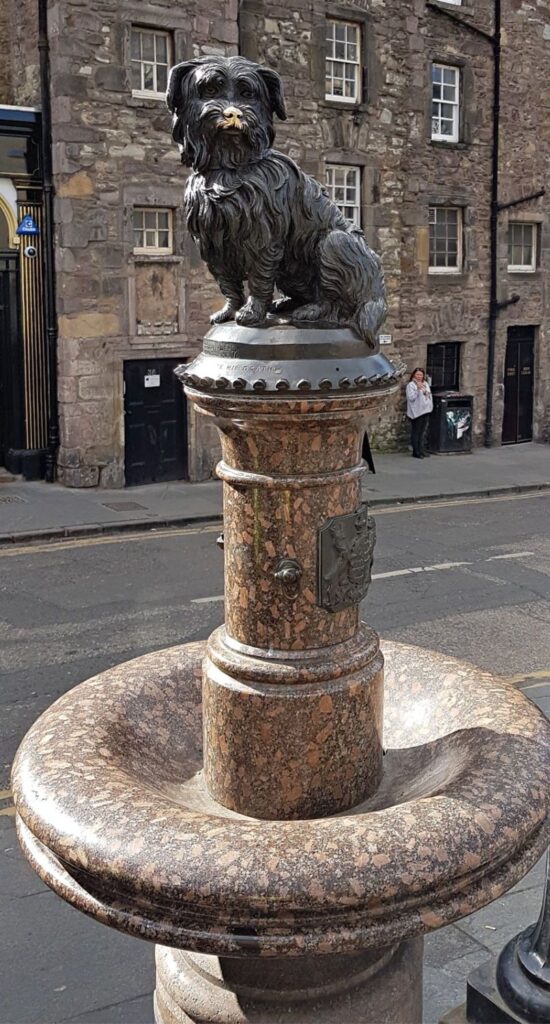
Don’t rub the Bobby.
While you may have been told it’s good luck, rubbing the nose of the wee dug, it damages the bronze. Take a few more steps past the statue and have enjoy a nibble or a pint in Greyfriar Bobby’s Bar.
Take a moment to browse each category below for all the comprehensive “ins and oots of cutting aboot” Edinburgh.
Local Lingo
- Wondering how to pronounce “Edinburgh”?
It’s Ed-in-bruh, Ed-in-buruh, or Ed-in-bra.
Whatever you do, don’t say “Ed-in-burg.” - What is “Auld Reekie”?
This nickname for Edinburgh means “Old Smoky,” referring to the days when coal fires created a permanent smog. This also accounts for the smoke deposits on some of the old building facades. - What is a “Dram”?
A small measure of whisky. (Don’t expect massive pours in Scotland. Pubs and bars are generally very strict with alcohol servings.) - What is the meaning of “Patter“?
Good conversation, wit, or “banter.” Having “good patter” is the ultimate social currency in Scotland. It means you’re funny and quick-witted.
Financial Bits
- What currency is used in Scotland?
The British Pound (£). Scotland issues its own banknotes, which are legal tender across the UK (though some English shops can be fussy about them). - What is a Visitor Levy?
The City of Edinburgh Council is introducing a visitor levy for overnight guests in paid accommodation. After 24 July, a 5% visitor levy charge will be added to your accommodation cost. This small charge will help sustain Edinburgh’s status as a cultural and heritage destination. Income generated will support public services, cultural programs, and city infrastructure, benefiting both visitors and residents. - Do I need to tip?
It’s not mandatory, but 10–12.5% is standard for good service in restaurants. Tipping in bars is not always expected, but appreciated. - Is Edinburgh expensive?
It’s cheaper than London but pricier than other Scottish cities. Budget a ~£100 per day for an average trip.
Getting Around
- Is Edinburgh walkable?
Very, but it’s incredibly hilly. Wear comfortable shoes and gear. - Do I need a car?
No. Parking is difficult, and the city is compact. Use buses, a taxi, or your feet. No need for an Uber either. - How do I get from the airport to the city center?
From Edinburgh Airport, the Airlink100 bus is the most frequent; the Edinburgh Tram is excellent, and the Picardy Place stop is just a few blocks from the flat. - How does the bus system work?
Lothian Buses are world-class. You can use contactless “Tap on, Tap off” for the best fare. - What is the main train station?
Edinburgh Waverley, located right between the Old and New Towns.
Health & Safety
- Emergency Phone Numbers:
999 or 112: Call for immediate emergency services, including Police, Ambulance, Fire and Rescue, and Coastguard.
18000: Emergency number for deaf, hearing-impaired, or speech-impaired callers using a Textphone (minicom).
101: Contact Police Scotland for non-emergencies (e.g., reporting a crime that has already happened).
111: Contact NHS 24 for non-life-threatening but urgent healthcare advice. - Is the city safe?
Extremely. Like any capital, watch for pickpockets in crowded areas like the Royal Mile, but violent crime is very low.
Planning Your Visit
- When is the best time to visit?
The months of May through September offer the best balance of daylight and weather. Note that the Edinburgh Fringe in August brings massive crowds. - Should I book Tours or Events in advance?
Yes. Popular tourist sites like Edinburgh Castle often sell out well in advance, especially in summer. - Are museums free?
The National Museum of Scotland and the National Galleries are free (donations welcome). - Is Edinburgh haunted?
Legend says it’s one of the most haunted cities in Europe. Greyfriars Kirkyard is at the top of the list of Edinburgh spooky spots. - What’s the difference between Old Town and New? Edinburgh is divided into the medieval Old Town (steep, winding closes) and the neoclassical New Town (grand, wide avenues). Most major sights are in the Old Town, but New Town offers the best shopping and high-end dining.
Food and Drink
- Can I drink the tap water?
Yes, and it’s seriously some of the best in the world. - Do I need a booking (reservation) in restaurants?
If you are looking to dine with a large group or on a weekend evening, you will need a reservation. Casual pubs are more likely to be able to seat walk-ins, but in congested areas like the Royal Mile and Princes Street, expect crowds and waits during the height of tourist season. - How to Handle Takeaway?
Apps like JustEat and Deliveroo are very handy for delivery or local pickup if you’re craving a night in or need a late-night nibble. - What is Haggis?
Brace yourself. It is Scotland’s national dish: a savoury pudding of sheep’s pluck (heart, liver, lungs) minced with onion, oatmeal, and spices. It’s delicious. Vegetarian haggis is lovely if you’re not feeling brave but want to check the box. - What is “Broon Sauce” / “Chippy Sauce”?
A unique Edinburgh condiment (brown sauce diluted with vinegar) is served at fish and chip shops (chippies). “Salt and Sauce” is the definitive Edinburgh choice for fish and chips. (In Glasgow, they use salt and vinegar.) Visit Giovanni’s and ask for some. Tell them we sent you. - What are the drinking laws?
Children (under 18s) are not allowed in all pubs (establishments that don’t serve food) even during the day. Generally, you can’t buy alcohol in supermarkets after 10:00 PM, and pubs usually serve until midnight or 1:00 AM.